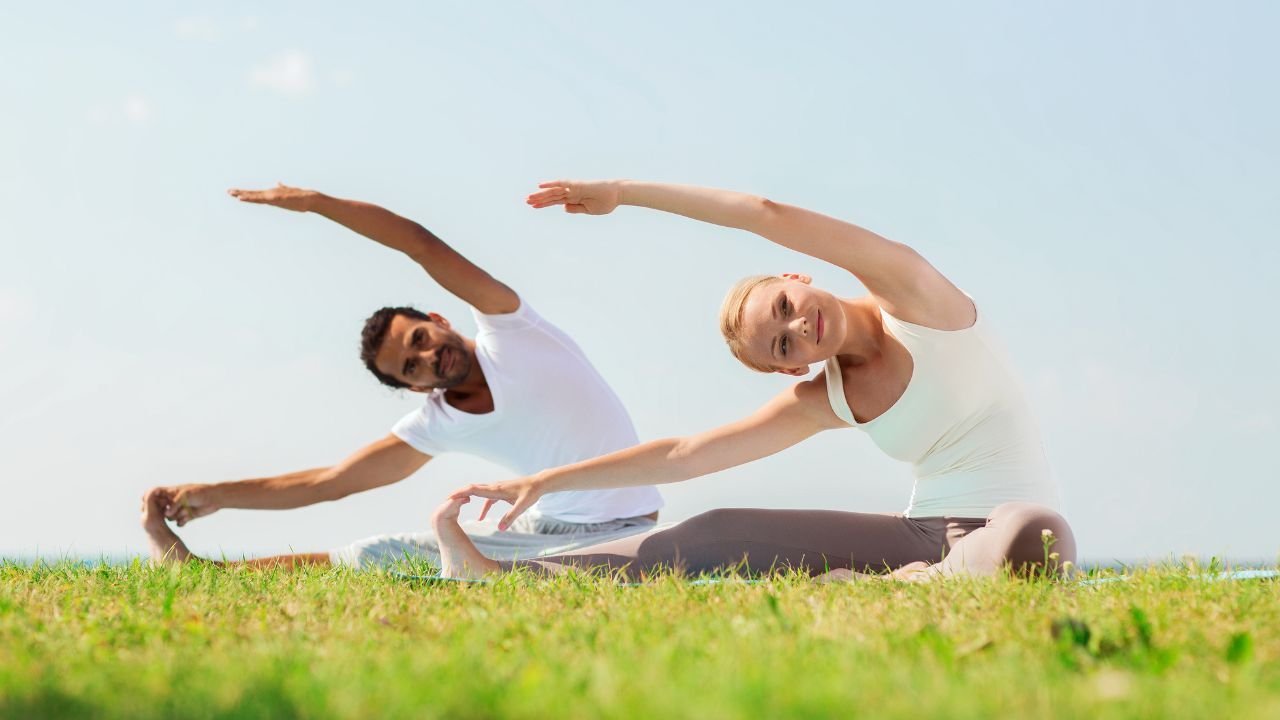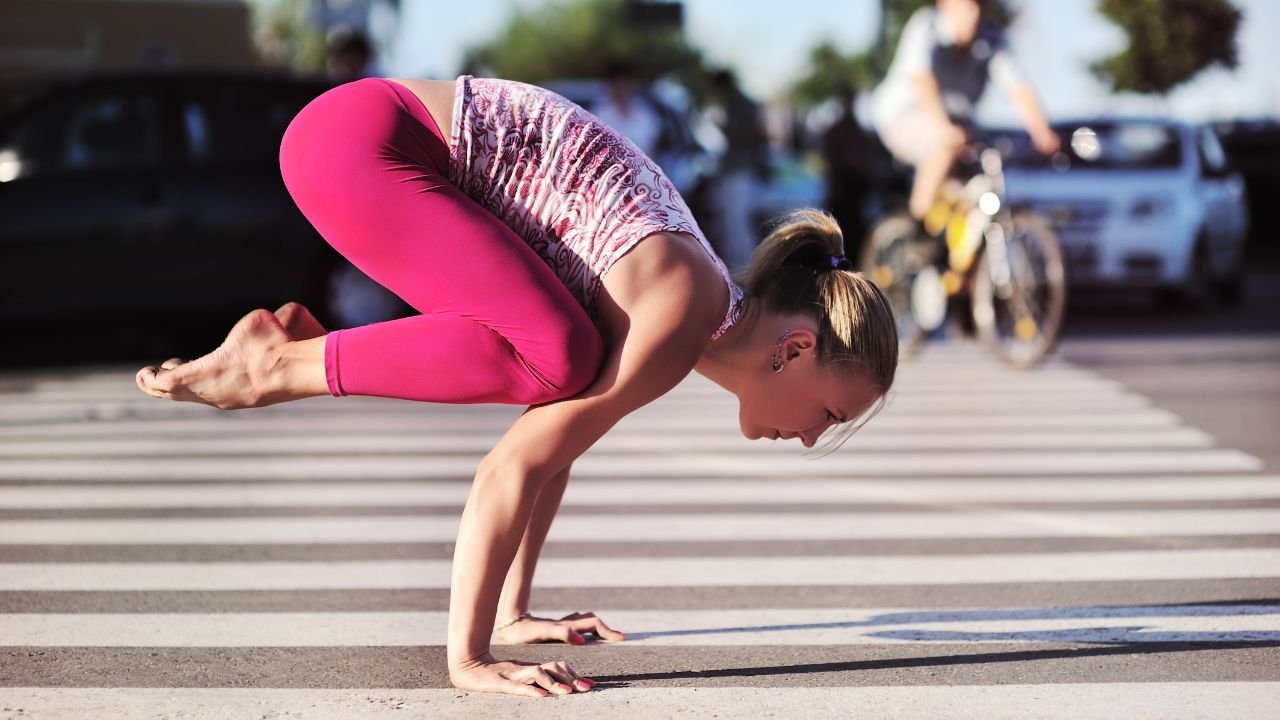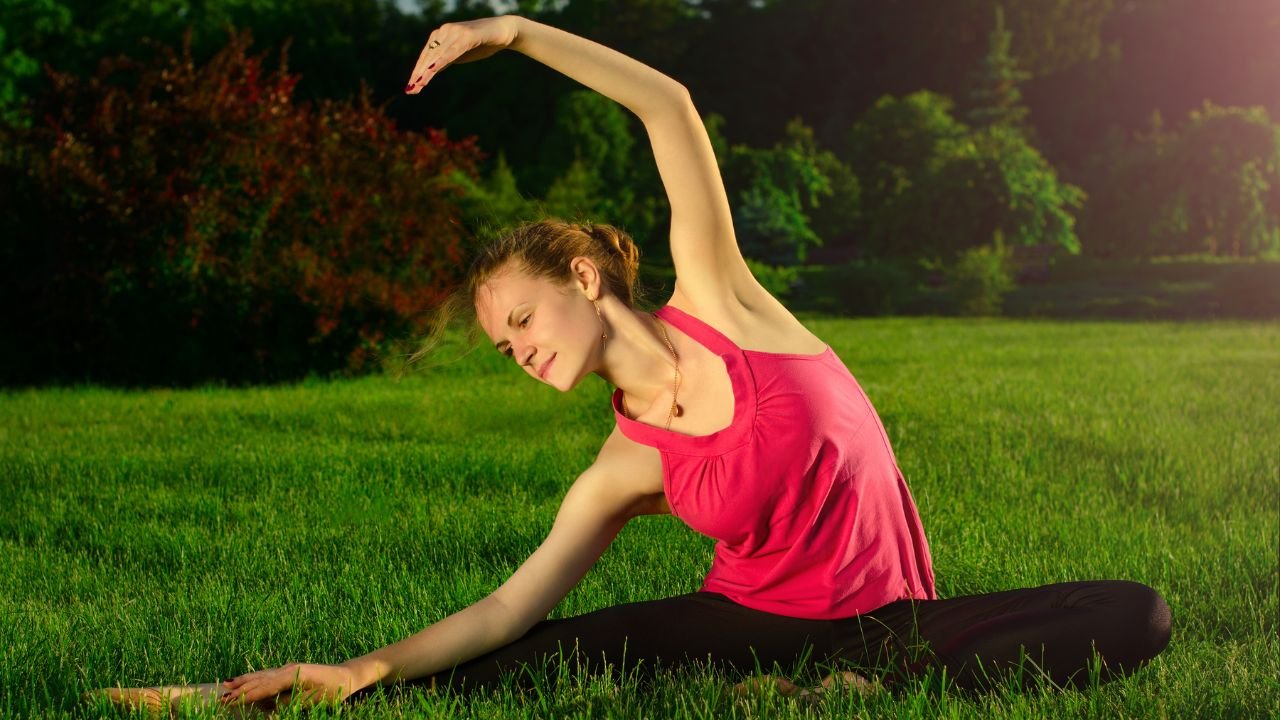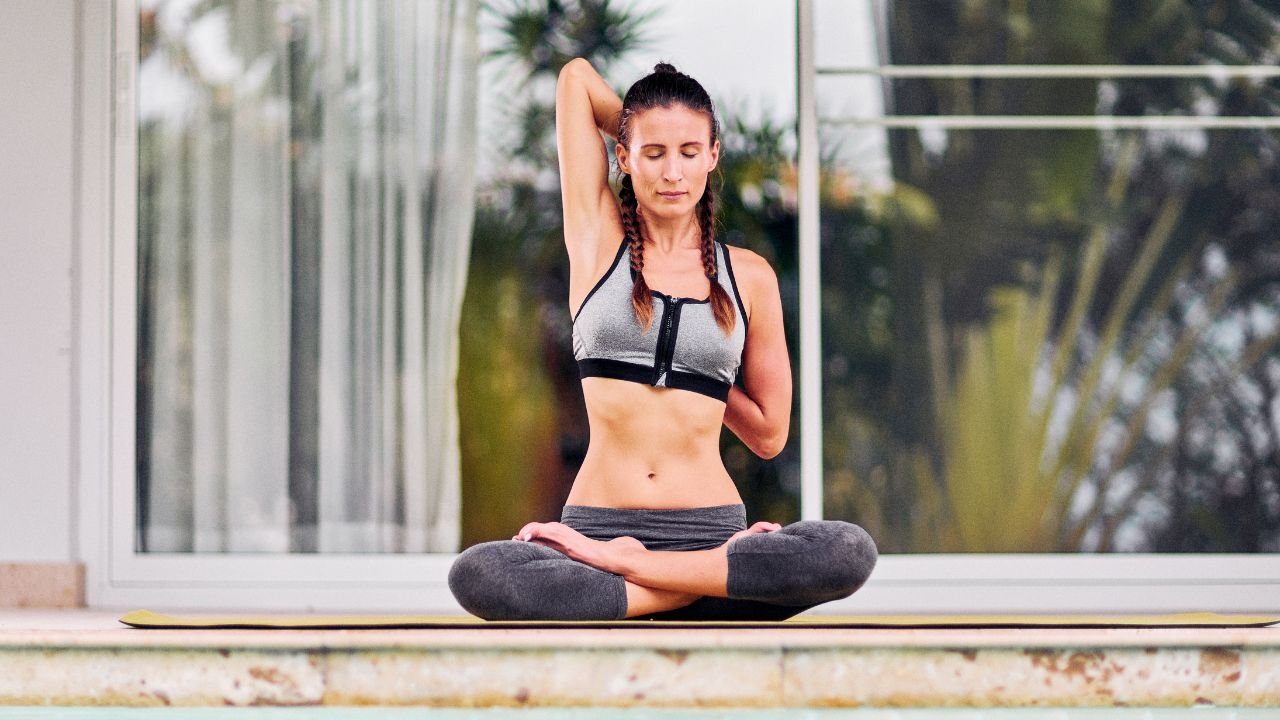
In today’s tech-driven world, poor posture is more than just a cosmetic concern—it’s a major contributor to chronic pain, fatigue, and muscular imbalances. Hours spent hunched over devices, driving, or sitting at desks gradually lead to rounded shoulders, forward head position, and a weakened core. The good news? Targeted yoga poses can help correct these imbalances and restore optimal posture by retraining your body to move with awareness and alignment.
These five yoga poses are carefully chosen to activate postural muscles, lengthen tight areas, and help your spine find its natural, upright position. Practiced consistently, they promote better balance, deeper breathing, and long-term spinal health.
1. Mountain Pose (Tadasana)
Best for: Body awareness, spinal alignment, foundational posture reset
Mountain Pose may look simple, but it’s a powerful tool for cultivating postural awareness. Stand with feet hip-width apart, arms at your sides, and palms facing forward. Actively root your feet into the ground, engage your thighs, lengthen the spine, and lift through the crown of your head.
Tadasana strengthens your body’s vertical alignment and trains your nervous system to recognize correct posture. It’s a conscious practice of stacking joints and engaging stabilizing muscles without strain.
Practice Tips:
- Slightly tuck the chin to lengthen the neck.
- Engage the core and glutes gently.
- Practice for 1–2 minutes, breathing evenly and scanning for misalignments.
2. Cobra Pose (Bhujangasana)
Best for: Upper back strength, spinal extension, counteracting forward slouch
Cobra Pose opens the chest and strengthens the back extensors—essential for reversing the effects of a rounded spine. Lie on your stomach with palms under shoulders. Inhale to lift your chest using your back muscles while keeping the elbows close to your ribs.
It’s especially helpful for office workers and anyone dealing with “tech neck” or shoulder tightness. This pose restores mobility in the thoracic spine and encourages a lifted, open posture.
Practice Tips:
- Keep elbows slightly bent and shoulders away from the ears.
- Focus on back muscle activation, not pushing with the hands.
- Hold for 20–30 seconds and repeat twice.
3. Bridge Pose (Setu Bandhasana)
Best for: Strengthening glutes and core, lengthening hip flexors
Bridge Pose targets two crucial components of good posture: spinal support and hip stability. From a supine position, bend the knees with feet flat on the floor, hip-width apart. Press into your feet and lift your hips while keeping the knees aligned.
It strengthens the glutes and lower back while stretching the front body, especially the hip flexors, which often become tight from prolonged sitting and contribute to anterior pelvic tilt.
Practice Tips:
- Keep the chest open and avoid over-arching the lower back.
- Press evenly through the feet and engage the core.
- Hold for 30–45 seconds, repeat 2–3 rounds.
4. Cat-Cow Pose (Marjaryasana–Bitilasana)
Best for: Spinal mobility, posture awareness, joint fluidity
This flowing movement between flexion and extension builds awareness of spinal alignment and improves flexibility in the vertebrae. On all fours, inhale into Cow Pose by arching your spine and lifting your head and tailbone. Exhale into Cat Pose, rounding the spine and drawing the navel inward.
Cat-Cow helps relieve stiffness, improves movement coordination, and awakens the deep postural muscles that stabilize the spine.
Practice Tips:
- Move slowly with your breath to explore each spinal segment.
- Keep wrists under shoulders and knees under hips.
- Practice for 8–10 cycles daily.
5. Reverse Tabletop (Ardha Purvottanasana)
Best for: Shoulder retraction, chest opening, posterior chain activation
Reverse Tabletop counteracts the rounded shoulders and collapsed chest caused by modern posture habits. Sit with feet flat and hands behind you, fingers pointing toward your body. Press into your hands and feet to lift your hips and chest toward the ceiling.
This pose strengthens the shoulders, arms, and back while stretching the front of the body. It’s particularly effective for activating the posterior chain, which supports upright posture.
Practice Tips:
- Squeeze shoulder blades together gently as you lift.
- Keep the head in a neutral position to avoid neck strain.
- Hold for 20–30 seconds and repeat as needed.
How to Use These Poses to Improve Your Posture
- Consistency Matters: Practice these poses at least 3–5 times per week for noticeable results.
- Focus on Form: Quality of movement matters more than quantity. Maintain mindful engagement in each posture.
- Breathe Deeply: Deep breathing promotes spinal length and nervous system regulation, both essential for posture.
- Build Awareness: Good posture starts with awareness. Use yoga as a daily check-in to realign and re-center your body.
Conclusion
Improving posture is about more than standing straight—it’s about building balanced strength, releasing tension, and moving with awareness. These five yoga poses offer a strategic approach to retrain your body, undo the effects of poor alignment, and restore your natural upright position.
With consistent practice, you’ll not only stand taller but breathe more freely, move with greater ease, and feel more confident in your body. Let these poses be the foundation of a posture transformation that supports you both on and off the mat.