In a world of constant digital distraction, mental fatigue, and overstimulation, achieving mental clarity has become essential for overall well-being. Yoga, an ancient practice that integrates body, breath, and mind, offers a powerful tool to calm the nervous system and sharpen mental focus. Certain yoga poses are especially effective in relieving stress, balancing the nervous system, and cultivating clear, present-moment awareness.
Below are four time-tested yoga postures known to support mental clarity, emotional balance, and inner stillness. Each can be practiced daily to clear mental fog and restore your capacity to think, feel, and act with intention.
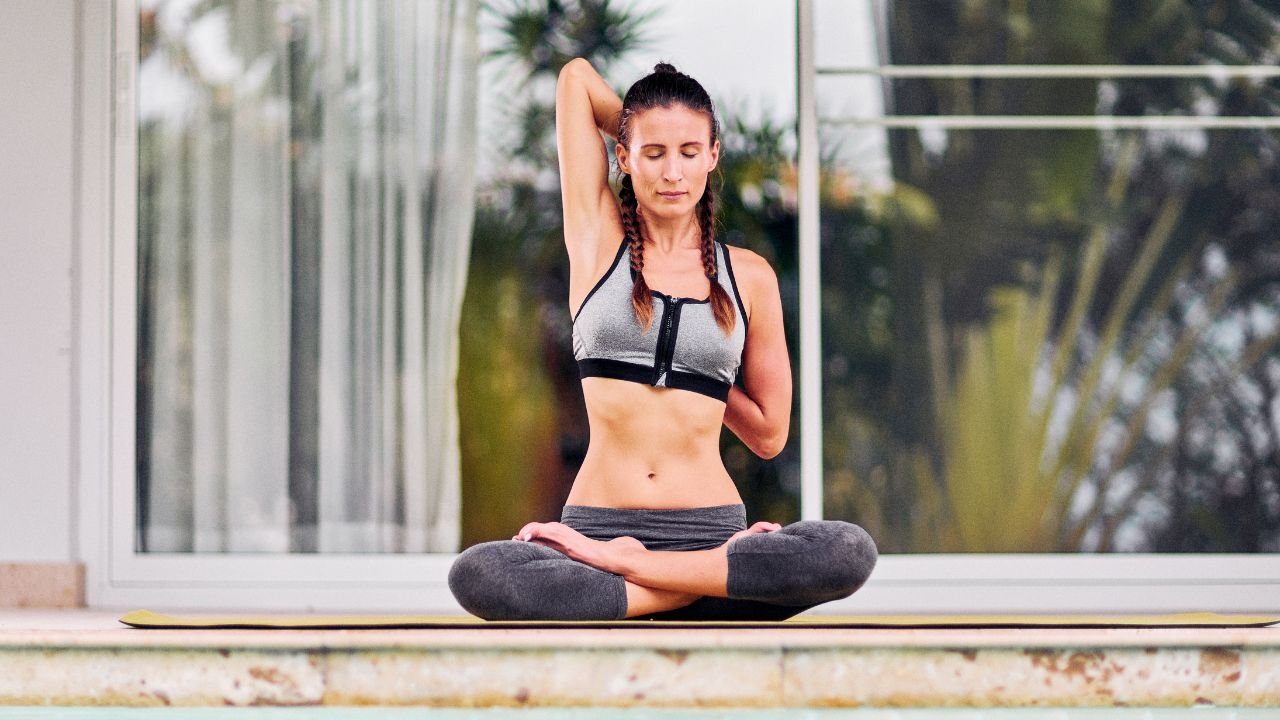
1. Easy Pose with Forward Fold (Sukhasana Variation)
Targets: Mind-body centering, hip opening, nervous system grounding
This gentle seated posture, especially when combined with a forward fold, helps anchor the mind and calm racing thoughts. It encourages introspection and signals the body to move into a parasympathetic (rest-and-digest) state.
To practice, sit cross-legged on a mat or cushion with a straight spine. On an exhale, gently fold forward, allowing your forehead to rest on a block, pillow, or your hands. Close your eyes and breathe deeply into the lower belly.
Why It Works for Mental Clarity:
- Forward folds stimulate the vagus nerve and soothe the nervous system.
- The posture promotes stillness and inward focus, ideal for preparing the mind for meditation.
- Reduces mental chatter and encourages present-moment awareness.
Tip: Hold for 1–2 minutes with slow, intentional breathing. Use a folded blanket for extra hip support if needed.
2. Legs-Up-the-Wall Pose (Viparita Karani)
Targets: Stress relief, circulation, mental restoration
Legs-Up-the-Wall is a restorative inversion that calms the mind and relieves fatigue. Lie on your back and extend your legs vertically against a wall, with your hips slightly elevated using a folded blanket or bolster. Let your arms rest at your sides, palms facing upward.
This passive pose enhances blood flow to the brain, gently drains tired legs, and relaxes the spine and heart.
Why It Works for Mental Clarity:
- Reduces cortisol levels and relieves nervous exhaustion.
- Encourages full-body relaxation, which supports mental detox.
- Increases oxygen supply to the brain for better cognitive functioning.
Tip: Practice for 5–10 minutes in a quiet space. Close your eyes and focus on natural breath rhythm.
3. Tree Pose (Vrikshasana)
Targets: Balance, concentration, emotional grounding
Tree Pose builds both physical and mental balance. Standing on one leg while aligning your body and gaze requires presence and discipline — two traits that directly support mental clarity. To begin, shift weight to one leg, place the opposite foot on the inner thigh or calf (avoid the knee), and bring hands to prayer at the heart or overhead.
The act of rooting down while reaching up symbolizes inner alignment and fosters a grounded sense of awareness.
Why It Works for Mental Clarity:
- Enhances focus and proprioception.
- Promotes calm, grounded energy through one-pointed attention.
- Strengthens the body-mind connection, reducing reactivity.
Tip: Gaze softly at a still point in front of you to enhance concentration. Hold for 30–60 seconds per side.
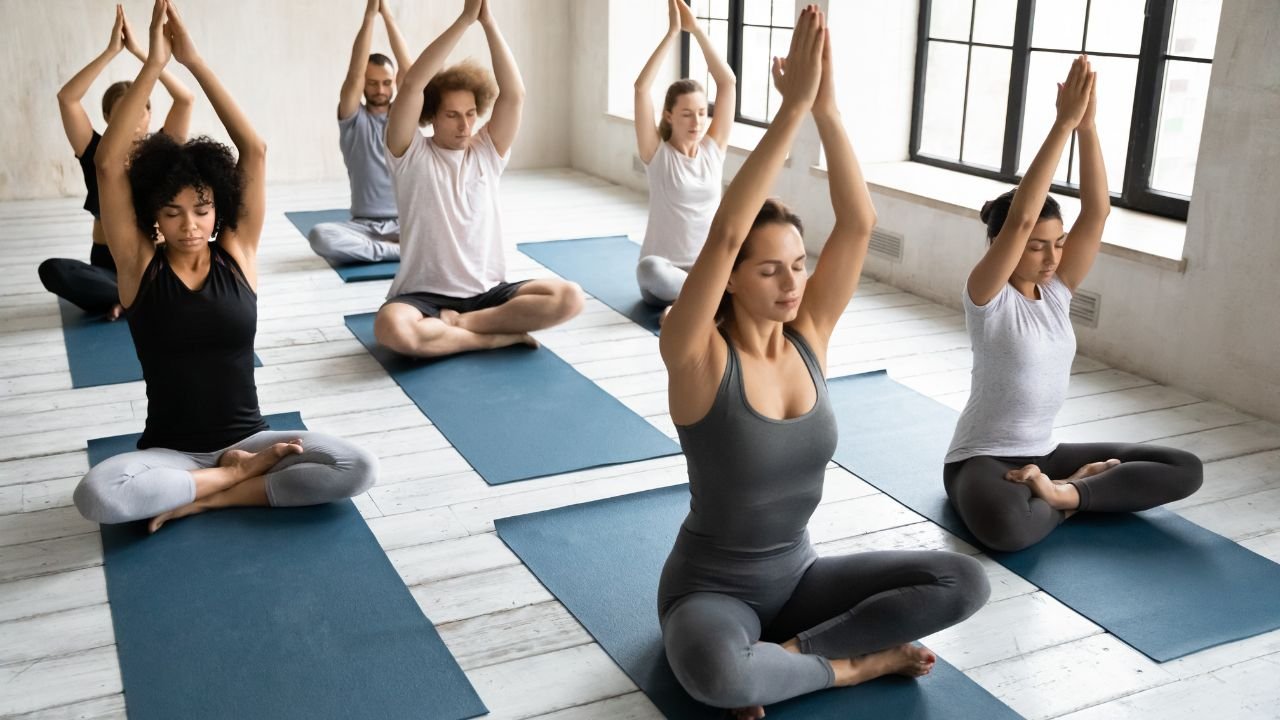
4. Seated Meditation Pose (Padmasana or Any Comfortable Cross-Legged Seat)
Targets: Mental stillness, breath awareness, inner observation
While not a “stretch” in the traditional sense, a seated meditation pose is the foundation of yogic mental clarity. Simply sitting tall with a straight spine, relaxed shoulders, and an open chest invites focused awareness and conscious breathing. Combine this with a simple breath observation or mantra to deepen your state of presence.
This is where the benefits of the physical postures integrate into cognitive clarity and emotional calm.
Why It Works for Mental Clarity:
- Provides a stable base for meditation, breathing exercises, or visualization.
- Enhances oxygen flow and balances the left and right hemispheres of the brain.
- Trains the mind to respond, not react, to external stimuli.
Tip: Start with 2–5 minutes of stillness daily and gradually increase. Use props as needed to avoid discomfort.
Final Thoughts
Mental clarity is not something you chase — it’s something you cultivate. These four yoga poses offer a practical and sustainable path to quiet the mind, regulate the nervous system, and restore deep focus. When practiced regularly, they can shift your internal state from scattered to centered, allowing you to respond to life with clarity and confidence.
Add them to your morning or evening routine, or use them as a mid-day reset when stress builds. Over time, these simple yet profound practices can help you reclaim mental space, reduce overwhelm, and enhance your overall sense of clarity and presence.