Flexibility is a key component of overall physical health. Whether you want to relieve muscle tightness, improve posture, or reduce the risk of injury, incorporating gentle yoga stretches into your daily routine can make a significant difference. These 8 simple yoga stretches are beginner-friendly, require no special equipment, and can be done at home in just minutes a day.
Each pose has been selected for its effectiveness in lengthening tight muscles, improving joint range of motion, and supporting relaxed, functional movement.
1. Standing Forward Fold (Uttanasana)
Targets: Hamstrings, calves, spine
Standing Forward Fold is a basic yet powerful stretch that decompresses the spine and elongates the back of the legs. Begin by standing with feet hip-width apart. Hinge at the hips and fold forward, letting your upper body hang.
This pose encourages circulation to the brain, relieves tension in the spine, and gently opens the hamstrings — ideal for people with tight lower bodies due to sitting or intense workouts.
How to Practice:
- Keep a slight bend in the knees if needed.
- Let your head hang heavy to relax the neck.
- Hold for 30–60 seconds.
2. Child’s Pose (Balasana)
Targets: Hips, thighs, lower back
Child’s Pose offers a deep stretch for the lower back and hips while also calming the nervous system. From a kneeling position, bring your big toes together, knees wide, and extend your arms forward as you rest your torso down.
This restorative pose is perfect for resetting between active stretches or yoga sequences and is especially beneficial after long days of standing or sitting.
How to Practice:
- Keep your arms extended or place them alongside your body.
- Breathe deeply into your lower back.
- Stay for 1–2 minutes for a full release.
3. Cobra Pose (Bhujangasana)
Targets: Chest, abdominals, spine
Cobra Pose is a gentle backbend that enhances spinal flexibility and opens the chest. Lie on your stomach, place your hands under your shoulders, and lift your chest off the mat using the strength of your back, not your arms.
This posture counters slouching and strengthens the lower back while stretching the front body.
How to Practice:
- Keep elbows slightly bent and close to the body.
- Press the tops of your feet into the floor.
- Hold for 20–30 seconds, repeat twice.
4. Seated Twist (Ardha Matsyendrasana)
Targets: Spine, shoulders, hips
Spinal twisting poses like Seated Twist enhance rotational mobility and relieve stiffness in the back and hips. Sit with one leg extended, cross the other foot outside the opposite knee, and twist your torso toward the bent leg.
This stretch improves digestion and detoxification while increasing spinal flexibility.
How to Practice:
- Lengthen your spine as you inhale.
- Twist deeper as you exhale.
- Hold each side for 30 seconds.
5. Butterfly Stretch (Baddha Konasana)
Targets: Inner thighs, hips, lower back
Butterfly Stretch opens the groin and inner thighs, promoting hip flexibility and relaxation. Sit tall, bring the soles of your feet together, and let your knees drop toward the floor.
Ideal for relieving tension in the lower body, especially for runners and cyclists.
How to Practice:
- Hold your feet with your hands.
- Keep your back straight and chest lifted.
- Stay in the pose for 1 minute, gently pressing knees down.
6. Cat-Cow Stretch (Marjaryasana-Bitilasana)
Targets: Spine, neck, core
This dynamic stretch improves spinal mobility and warms up the entire back. On all fours, alternate between arching (cow) and rounding (cat) your spine, coordinating each movement with your breath.
Cat-Cow is excellent for daily practice, especially first thing in the morning to loosen up the spine.
How to Practice:
- Inhale as you lift your head and tailbone (cow).
- Exhale as you round the spine and tuck the chin (cat).
- Repeat for 8–10 slow cycles.
7. Reclined Pigeon Pose (Supta Kapotasana)
Targets: Hips, glutes, lower back
A supine variation of the traditional pigeon pose, Reclined Pigeon allows for a deep glute and hip stretch with less strain on the knees. Lie on your back, cross one ankle over the opposite knee, and gently pull the supporting leg toward you.
This is especially helpful for people with tight hips, sciatica symptoms, or lower back tension.
How to Practice:
- Flex the foot of the crossed leg to protect the knee.
- Hold the stretch for 30–60 seconds on each side.
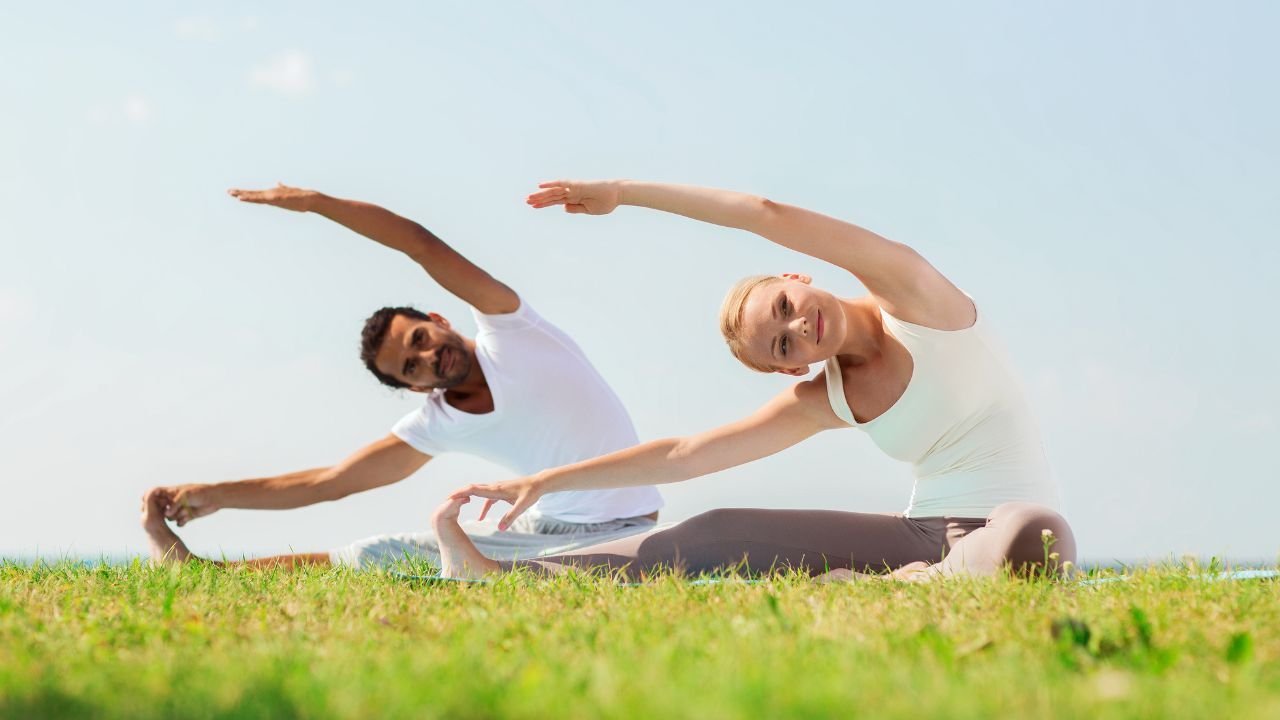
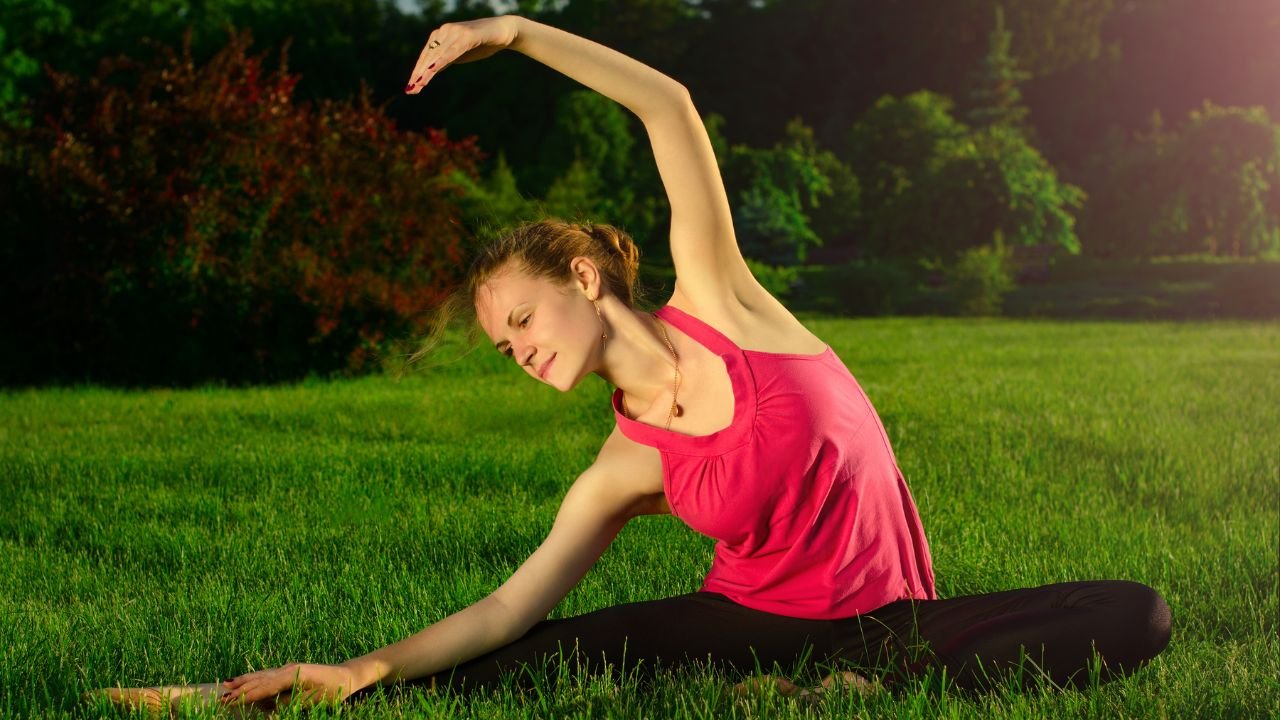
8. Side Stretch (Parsvakonasana Variation)
Targets: Obliques, shoulders, side body
Standing or seated side stretches increase flexibility in the ribs, waist, and shoulders. From a standing position, raise one arm overhead and gently bend sideways, reaching in the opposite direction.
This movement improves breathing capacity and loosens tight intercostal muscles along the ribs.
How to Practice:
- Anchor both feet firmly into the ground.
- Keep the body in one plane without twisting.
- Hold each side for 20–30 seconds.
How to Use These Stretches in Your Routine
- Frequency: Practice 3–5 times per week for visible improvement.
- Duration: Hold each pose for 30–60 seconds unless noted.
- Breathing: Use slow, controlled breaths to deepen stretches.
- Progression: Never force a stretch. Instead, return to each pose regularly to allow the body to open over time.
Final Thoughts
Improving flexibility doesn’t require intense effort — it starts with consistency, patience, and the right stretches. These eight simple yoga poses are accessible for all levels and effective for releasing tension, lengthening muscles, and enhancing mobility. By dedicating just a few minutes a day to this routine, you can support long-term flexibility, reduce injury risk, and move with greater ease and comfort in everyday life.