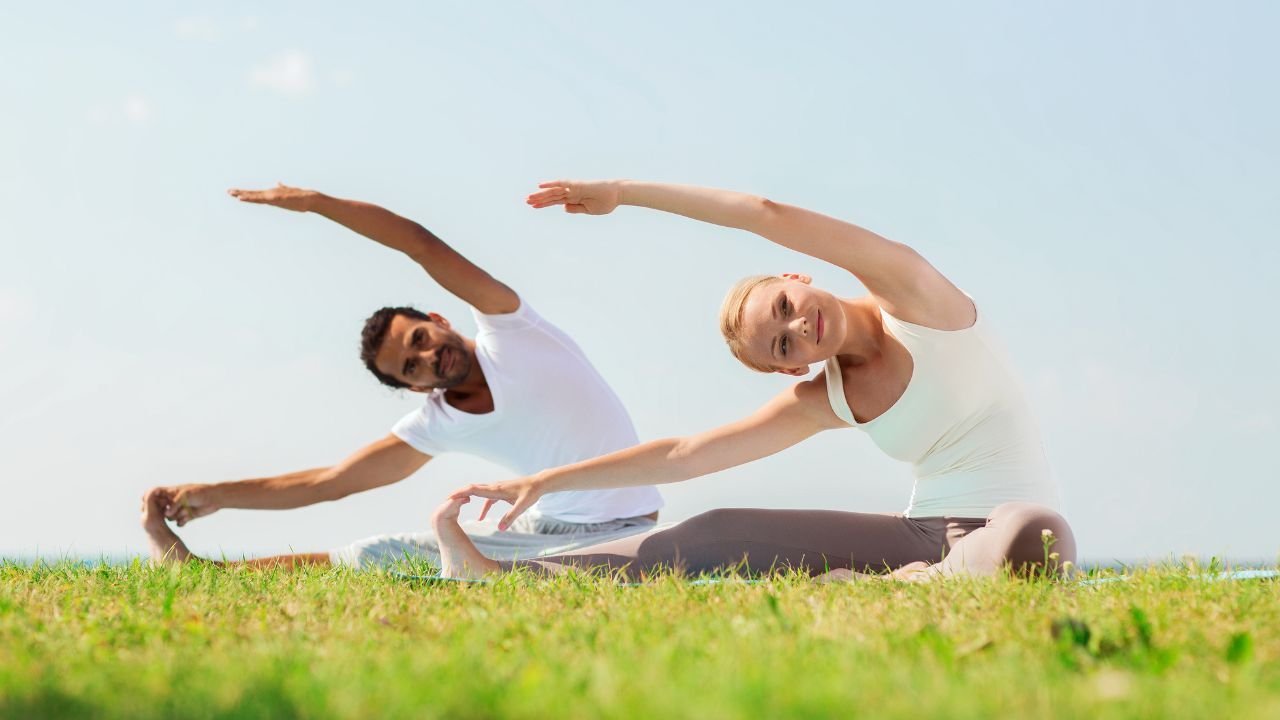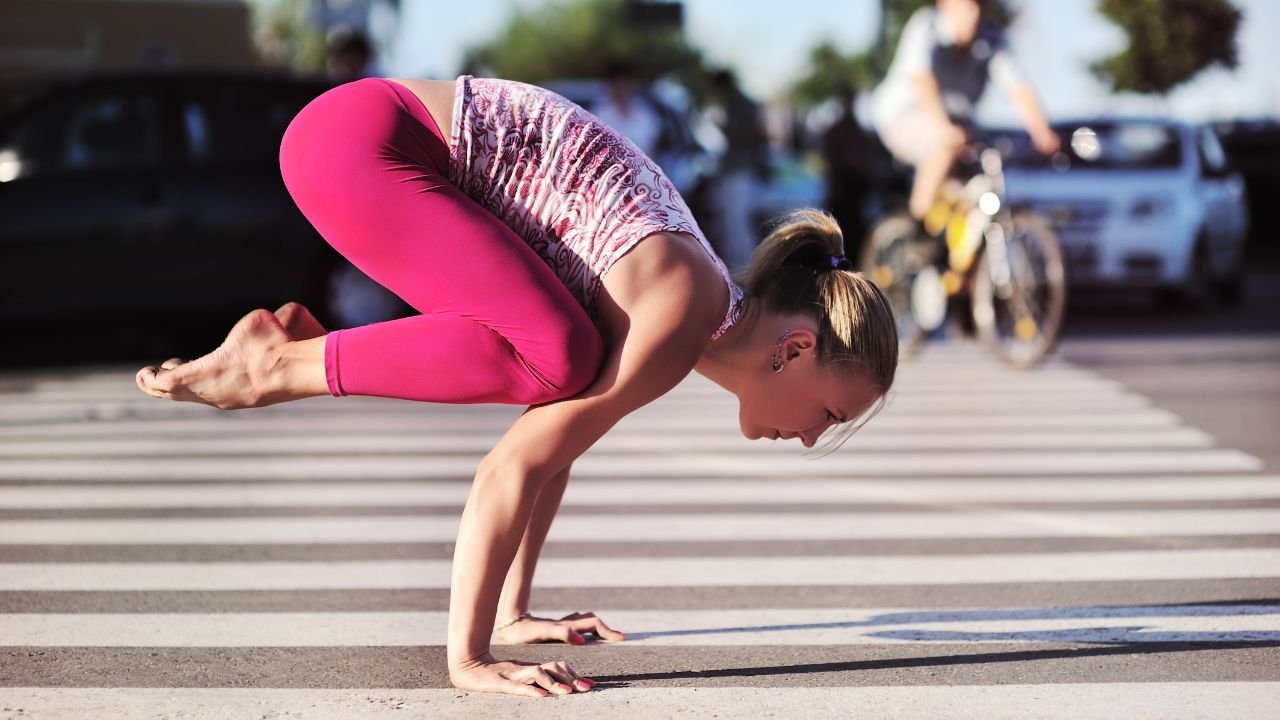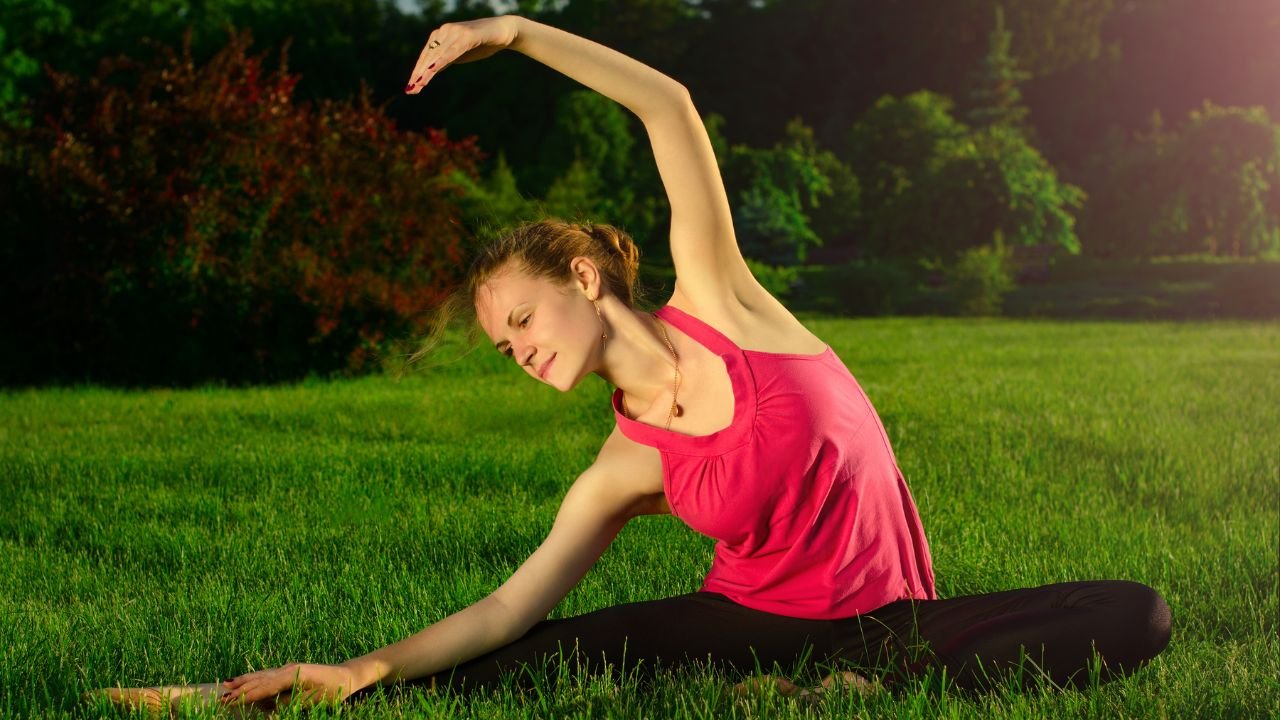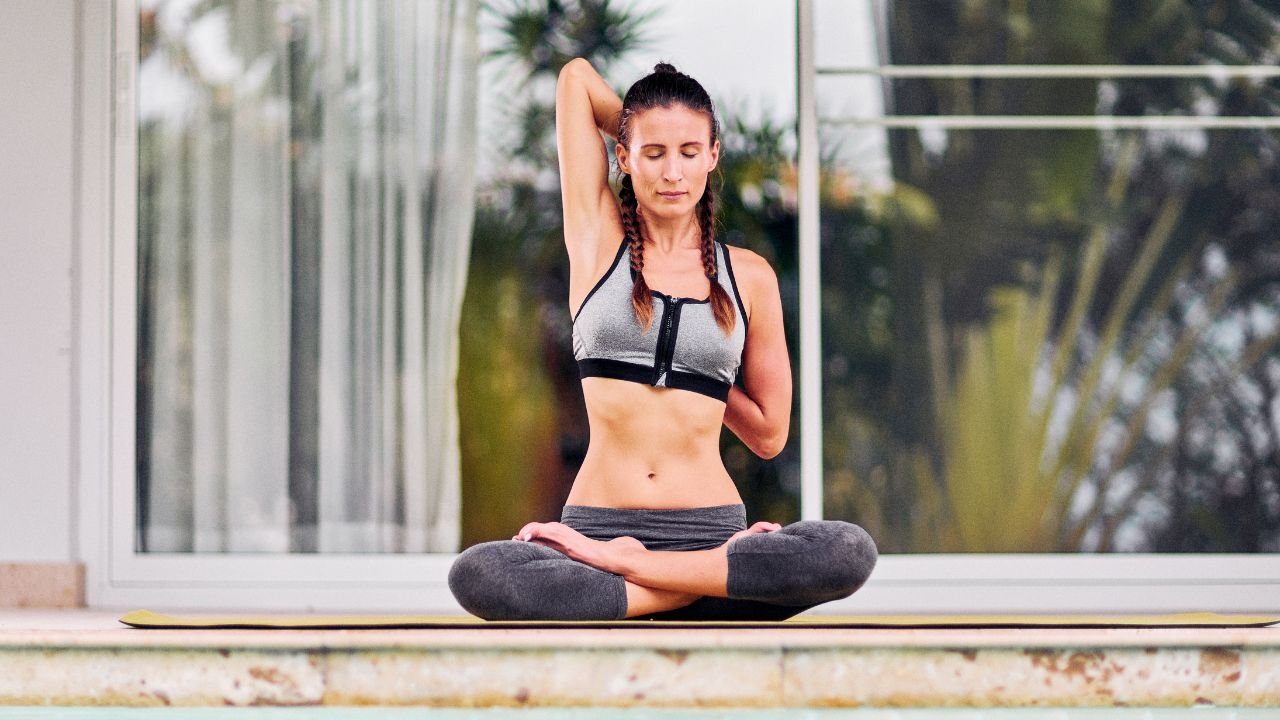
Flexibility and mobility are fundamental to a healthy, pain-free body. Whether you’re an athlete, desk worker, or someone looking to move more freely, yoga offers time-tested solutions that promote lasting flexibility and joint mobility. While flexibility refers to the ability of muscles to lengthen, mobility is about how freely your joints move — both are crucial for balance, posture, and injury prevention.
Here are five essential yoga poses that specifically target tight areas of the body, enhance mobility, and increase overall range of motion. Practiced consistently, these poses can transform how you move and feel every day.
1. Low Lunge (Anjaneyasana)
Targets: Hip flexors, quads, groin, spine
Low Lunge is a foundational pose that gently stretches the hips and thighs — areas that are often tight from prolonged sitting or high-impact exercise. Begin in a lunge position with the back knee on the floor and the front knee stacked over the ankle. Reach your arms overhead and lift through the chest.
This pose encourages deep hip opening and spinal extension. It not only improves lower body flexibility but also boosts pelvic mobility, making it ideal for anyone with a sedentary lifestyle or limited hip range.
Tips:
- Keep the front knee aligned over the ankle.
- Engage your core for spinal stability.
- Hold for 30 seconds on each side, deepening with each exhale.
2. Wide-Legged Forward Fold (Prasarita Padottanasana)
Targets: Hamstrings, calves, lower back, spine
This calming inversion opens up the posterior chain of the body, focusing on the hamstrings and spine. From a wide-legged stance, hinge at the hips and fold forward, letting your head drop and hands rest on the floor or blocks.
Unlike seated hamstring stretches, this standing pose also decompresses the spine, helping improve both static and dynamic flexibility in the lower body.
Tips:
- Keep your legs active and spine long as you fold.
- Use blocks if your hands don’t reach the floor.
- Avoid rounding the back to protect the lumbar spine.
3. Cat-Cow Stretch (Marjaryasana-Bitilasana)
Targets: Spine, neck, shoulders, core
Cat-Cow is a fluid movement between two postures that increases spinal mobility and warms up the back. On all fours, alternate between arching the back (Cow) and rounding it (Cat) in sync with your breath.
This dynamic stretch enhances awareness and mobility in each vertebra, which is essential for pain-free, functional movement patterns. It also improves posture by waking up deep spinal muscles.
Tips:
- Inhale as you arch the spine and exhale as you round.
- Move slowly and evenly, focusing on each section of the spine.
- Repeat for 8–10 full breaths.
4. Thread the Needle Pose (Parsva Balasana)
Targets: Shoulders, upper back, thoracic spine
Often overlooked, the upper back and shoulders play a key role in mobility. Thread the Needle opens the thoracic spine and reduces stiffness in the neck and shoulders. From all fours, slide one arm under the opposite arm and rest your shoulder and temple on the mat.
This pose is particularly useful for improving rotational mobility — which is vital for spinal health, posture, and activities like twisting, lifting, and reaching.
Tips:
- Keep your hips stacked above the knees.
- Relax into the stretch and use your breath to release tension.
- Hold for 30–60 seconds per side.
5. Seated Forward Fold (Paschimottanasana)
Targets: Hamstrings, calves, spine
Paschimottanasana is a deep hamstring and spinal stretch that also calms the nervous system. Sit with legs extended and hinge forward from the hips, keeping the spine long as you reach for your feet or shins.
This posture helps lengthen the entire backside of the body, especially the tight muscles in the legs and lower back that often limit mobility. Unlike passive stretching, the active engagement in this pose helps build flexibility safely over time.
Tips:
- Use a strap around the feet if needed.
- Avoid pulling yourself down — instead, fold with gravity and breath.
- Maintain a flat back to avoid lumbar compression.
Best Practices for Flexibility and Mobility Through Yoga
- Consistency Wins: Practicing 3–5 times a week delivers the best results. Flexibility builds over time — not overnight.
- Warm Up First: Always warm up your body before deep stretching to avoid injury.
- Use Props: Straps, blocks, and blankets support proper alignment, especially if you’re just beginning.
- Breathe Deeply: The breath is a key component. Inhale to create space, exhale to release tension.
- Don’t Push: Stretch to the point of mild discomfort, not pain. Forcing a pose can do more harm than good.
Why Mobility Matters More Than Ever
Modern lifestyles involve long hours of sitting, repetitive movement patterns, and limited physical variety — all of which restrict mobility over time. Poor mobility can lead to joint dysfunction, lower back pain, and an increased risk of injury during everyday movements.
Yoga addresses this by incorporating both static and dynamic movements, improving not just how far you can stretch, but how well you can move. Unlike isolated stretching routines, yoga combines strength, control, and flexibility, creating long-term improvements in mobility and functional fitness.
Final Thoughts
If you’re seeking a sustainable and effective way to enhance your flexibility and joint mobility, these five yoga poses offer a targeted starting point. With consistent practice, they can help you regain freedom in your movement, ease muscular tension, and prevent long-term stiffness. Whether you’re recovering from inactivity or looking to boost performance, incorporating these essential poses into your daily routine can elevate how you move and feel — both on and off the mat.