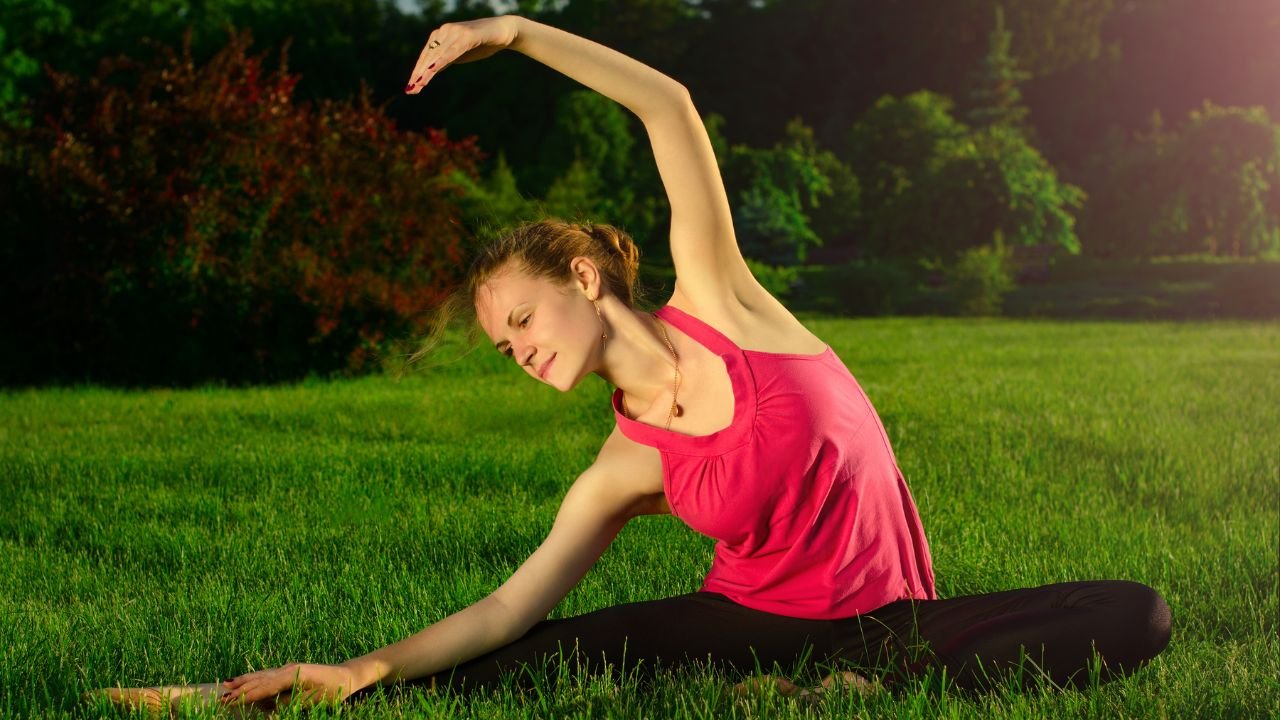
Back pain has become one of the most common health concerns in modern life. Whether caused by sedentary lifestyles, poor posture, or repetitive stress, chronic back discomfort can limit movement, reduce energy levels, and impair overall well-being. While conventional treatments provide temporary relief, yoga offers a natural, long-term solution by strengthening spinal support muscles, improving posture, and increasing mobility. The following seven yoga poses have been carefully selected to help you build a stronger, healthier back—no matter your fitness level.
Each pose targets specific areas of the spine and surrounding musculature to release tension, increase flexibility, and activate deep core support. When practiced consistently with breath awareness and mindful alignment, these yoga stretches can relieve both upper and lower back discomfort and prevent future issues.
1. Sphinx Pose (Salamba Bhujangasana)
Best for: Lumbar support, posture improvement, spinal circulation
Sphinx Pose is a gentle backbend that engages the lower back without compressing the spine. Lie on your stomach, legs extended, and place your elbows directly under your shoulders. Lift your chest slightly, pressing forearms into the mat, and gaze forward softly.
This pose strengthens the erector spinae (deep back muscles), improves blood flow to the spine, and counters forward-hunching postures common with desk work.
Practice Tip:
- Keep the shoulders relaxed and avoid collapsing into the lower back.
- Breathe into your belly and lower ribs.
- Hold for 45–60 seconds, repeat twice.
2. Cat-Cow Stretch (Marjaryasana-Bitilasana)
Best for: Spinal mobility, muscle tension release
This dynamic movement between flexion (Cat) and extension (Cow) lubricates the vertebrae and increases spinal awareness. On all fours, inhale as you arch your back and lift the chest (Cow), then exhale as you round the spine and draw the chin to chest (Cat).
Cat-Cow increases the range of motion along the entire spine and warms up the back muscles gently.
Practice Tip:
- Move slowly with your breath for 8–10 rounds.
- Keep the wrists under shoulders and knees under hips for optimal alignment.
3. Downward Facing Dog (Adho Mukha Svanasana)
Best for: Full spinal elongation, upper back release, hamstring flexibility
Downward Dog is a staple pose for spinal decompression. Start in a plank and lift your hips upward, forming an inverted V. Press your hands firmly into the mat, lengthen the spine, and draw the heels toward the floor.
By stretching the entire posterior chain—from shoulders to calves—this pose relieves tension in the spine and creates space between the vertebrae.
Practice Tip:
- Bend the knees slightly if hamstrings are tight.
- Focus on length, not depth—extend the spine rather than forcing heels down.
- Hold for 45 seconds and repeat after rest.
4. Locust Pose (Salabhasana)
Best for: Lower back strength, spinal endurance, posture correction
Locust Pose activates the entire back body. Lie on your stomach with arms alongside your body, palms down. On an inhale, lift your chest, arms, and legs off the floor using muscular strength rather than momentum.
This pose strengthens the lower back, glutes, and hamstrings while improving control over spinal muscles.
Practice Tip:
- Keep the neck neutral, gazing slightly forward.
- Engage the legs to lift without compressing the lower back.
- Hold for 30 seconds, repeat up to 3 times.
5. Supine Twist (Supta Matsyendrasana)
Best for: Spinal detoxification, back muscle relaxation
This restorative twist resets the spine and releases muscular tension, especially in the lower back. Lie on your back, hug one knee to your chest, and guide it across the body while extending the opposite arm out.
The gentle rotation rehydrates the intervertebral discs and stretches the spinal muscles laterally, encouraging realignment and mobility.
Practice Tip:
- Keep both shoulders grounded.
- Breathe deeply into the belly to enhance the twist.
- Hold each side for 1–2 minutes.
6. Bridge Pose (Setu Bandhasana)
Best for: Core stability, glute activation, lower back support
Bridge Pose builds strength in the glutes, hamstrings, and core—all critical for spinal support. Lie on your back, bend your knees, and place your feet hip-width apart. Press into your heels to lift your hips while keeping the shoulders grounded.
This backbend helps counteract poor posture and reinforces muscles that stabilize the lumbar spine.
Practice Tip:
- Squeeze glutes without over-arching the lower back.
- Press arms into the floor for added lift and chest opening.
- Hold for 30–45 seconds, lower with control.
7. Thread the Needle (Parsva Balasana)
Best for: Upper back and shoulder tension relief
This gentle twist targets the thoracic spine and shoulders, which often hold tension from poor posture or stress. From a tabletop position, thread one arm under the opposite arm and rest your shoulder and ear on the mat.
This pose releases deep tension across the upper back, promotes rotational mobility, and encourages mental relaxation.
Practice Tip:
- Hips stay stacked above knees to isolate the upper spine.
- Deepen the stretch with each exhale.
- Hold for 1 minute per side.
Integrating These Poses into Your Routine
For best results, practice these poses 3–5 times per week. Begin with a gentle warm-up such as shoulder rolls or seated breathing, and hold each pose with mindful attention to breath and alignment. Pair with healthy posture habits during the day to support your spine holistically.
Also, avoid sudden or forced movements—especially if you’re managing existing back pain. If you’re unsure how a pose may affect your condition, consult a qualified yoga teacher or physical therapist for guidance.
Conclusion
A stronger, healthier back isn’t built through force but through consistency, mindfulness, and movement. These seven yoga poses form a complete, balanced sequence designed to relieve tension, build supportive strength, and restore spinal mobility. Whether you’re recovering from chronic discomfort or simply seeking a more resilient back, incorporating these poses into your weekly routine can provide noticeable results over time.